DRY ICE Supplier About
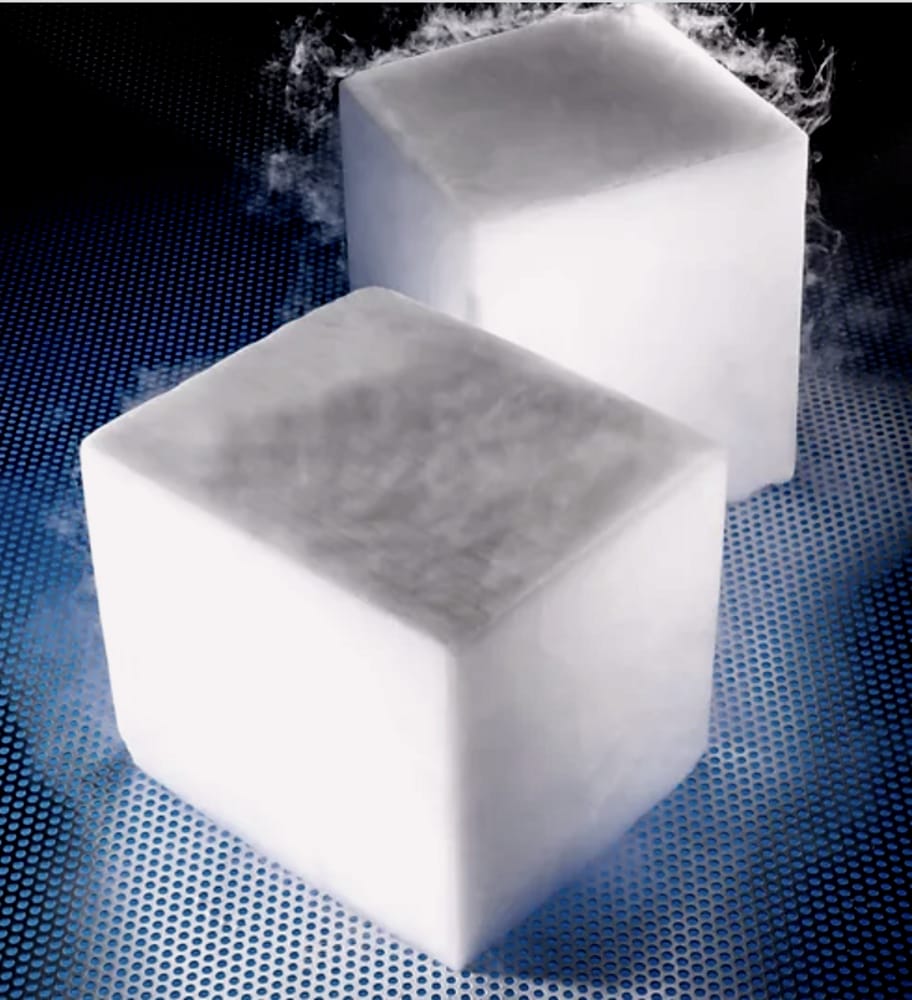
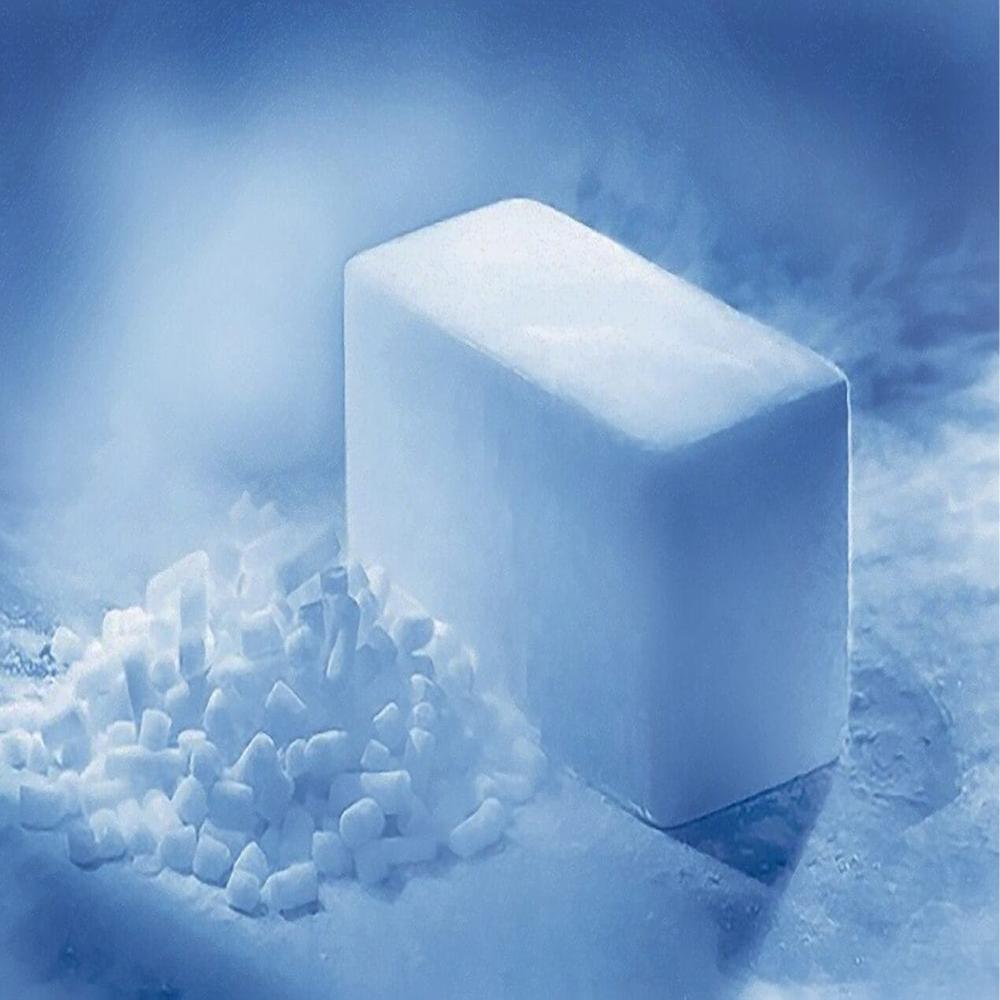
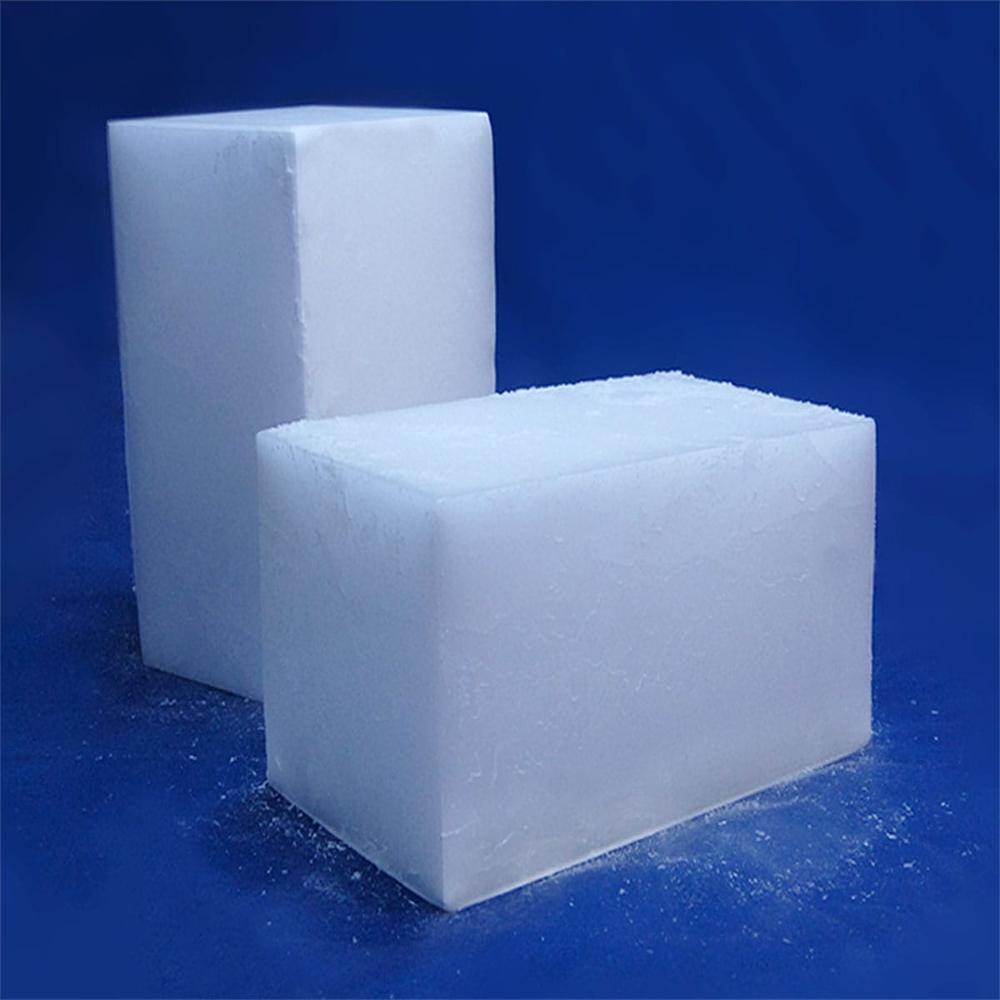
Reliable Cold Chain SolutionDry ice offers exceptional cooling capabilities due to its low sublimation temperature. It is ideal for shipping perishable goods, laboratory specimens, and other temperature-sensitive materials. Thanks to its ability to transition directly from solid to gas, dry ice leaves no water residue, ensuring goods stay dry and uncontaminated during transport.
Safe and Compliant PackagingOur dry ice is shipped in insulated boxes or containers under special CO2 labeling (UN1845), complying with all relevant safety standards. Proper packaging ensures the product's shelf life-typically 24 to 48 hours per shipment-while prioritizing safe handling. Storage should always be in a well-ventilated area, mitigating the risk of CO2 accumulation.
Versatile ApplicationsDry ice is highly valued across industries: it preserves foods, facilitates industrial cleaning, powers special effects, and supports scientific experiments. Available in food and industrial grades, our product offers flexibility for a wide variety of cooling, preservation, and cleaning requirements, ensuring maximum benefit for every application.
FAQ's of DRY ICE Supplier:
Q: How should I safely handle and store dry ice?
A: Always use insulated gloves when handling dry ice, as direct contact can cause severe frostbite. Store the product in an insulated container within a well-ventilated space, away from children or pets. Avoid airtight enclosures and never store dry ice in confined, unventilated spaces to prevent a buildup of carbon dioxide gas.
Q: What packaging options are available for dry ice delivery?
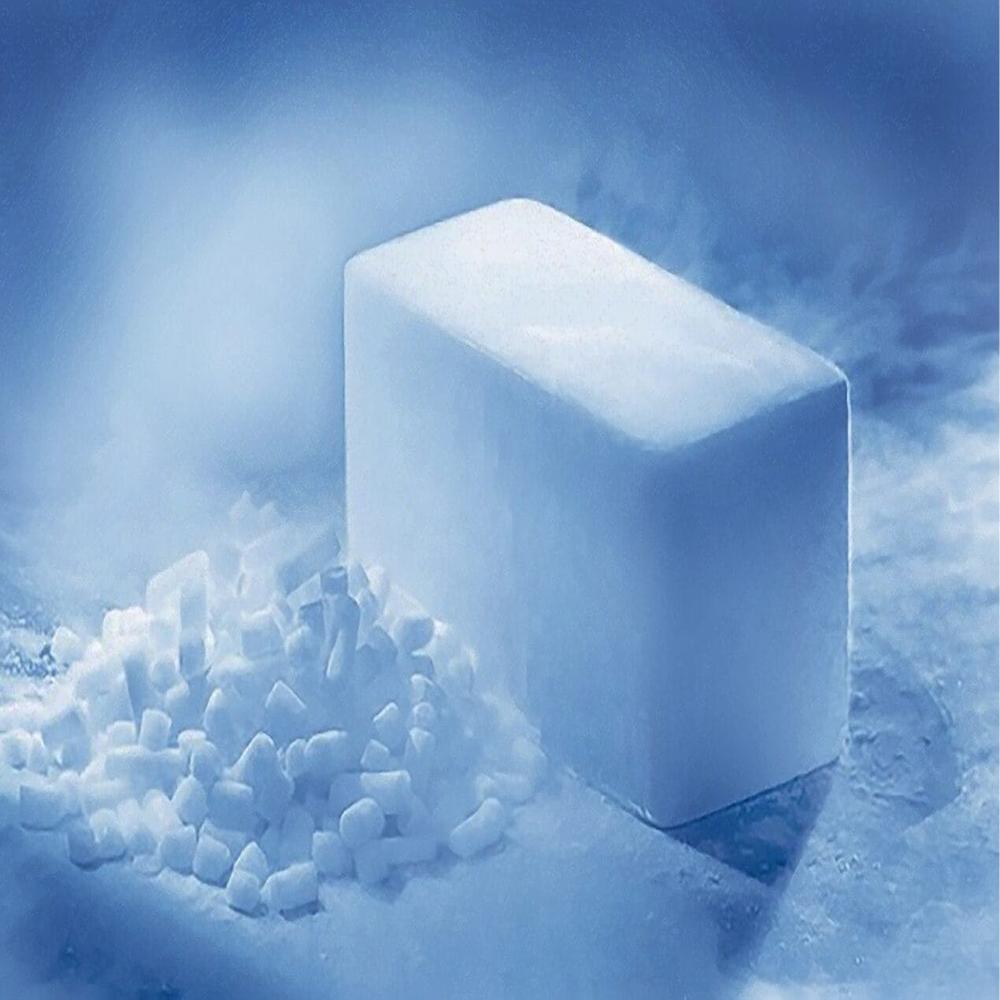
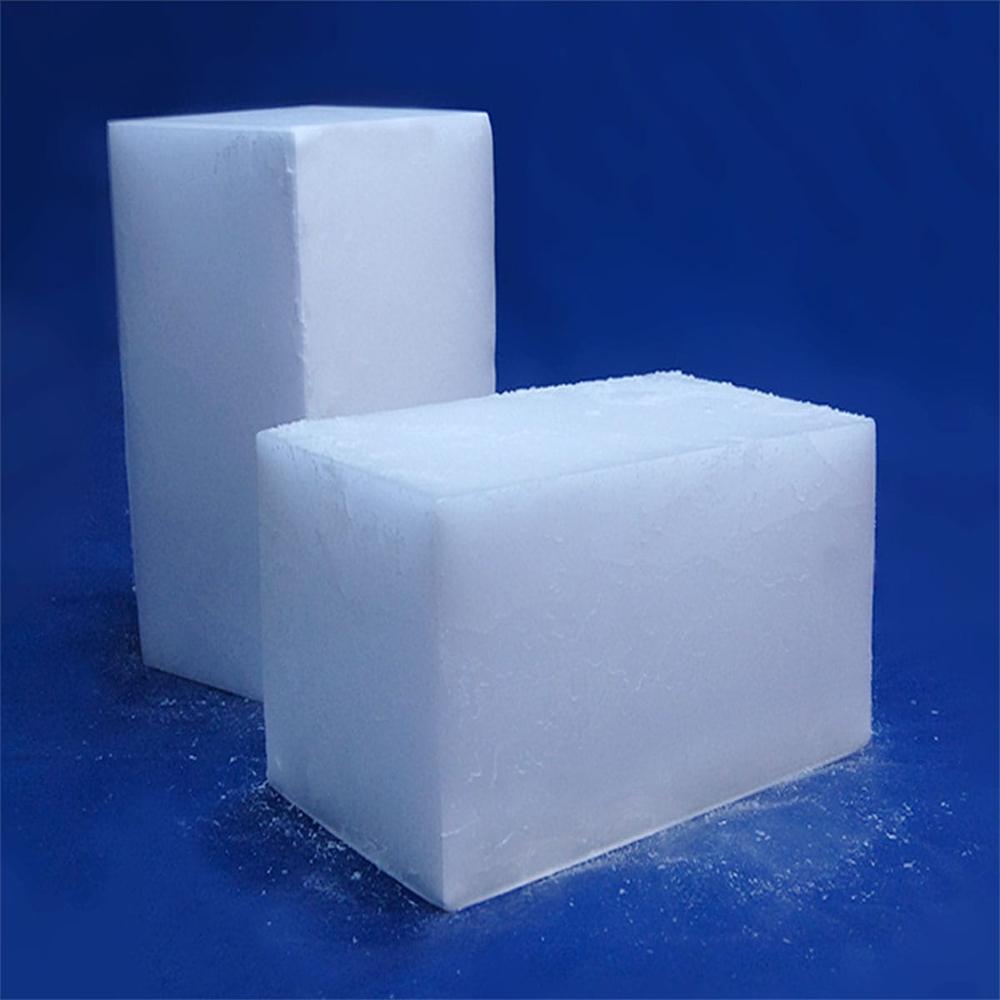
A: Dry ice is supplied in high-quality insulated containers or boxes, specially designed to reduce sublimation and prolong shelf life. Packaging is labeled in compliance with transport regulations (CO2 UN1845) and tailored for your order in forms like blocks, slices, or 3mm/16mm pellets.
Q: When should dry ice be used instead of regular ice?
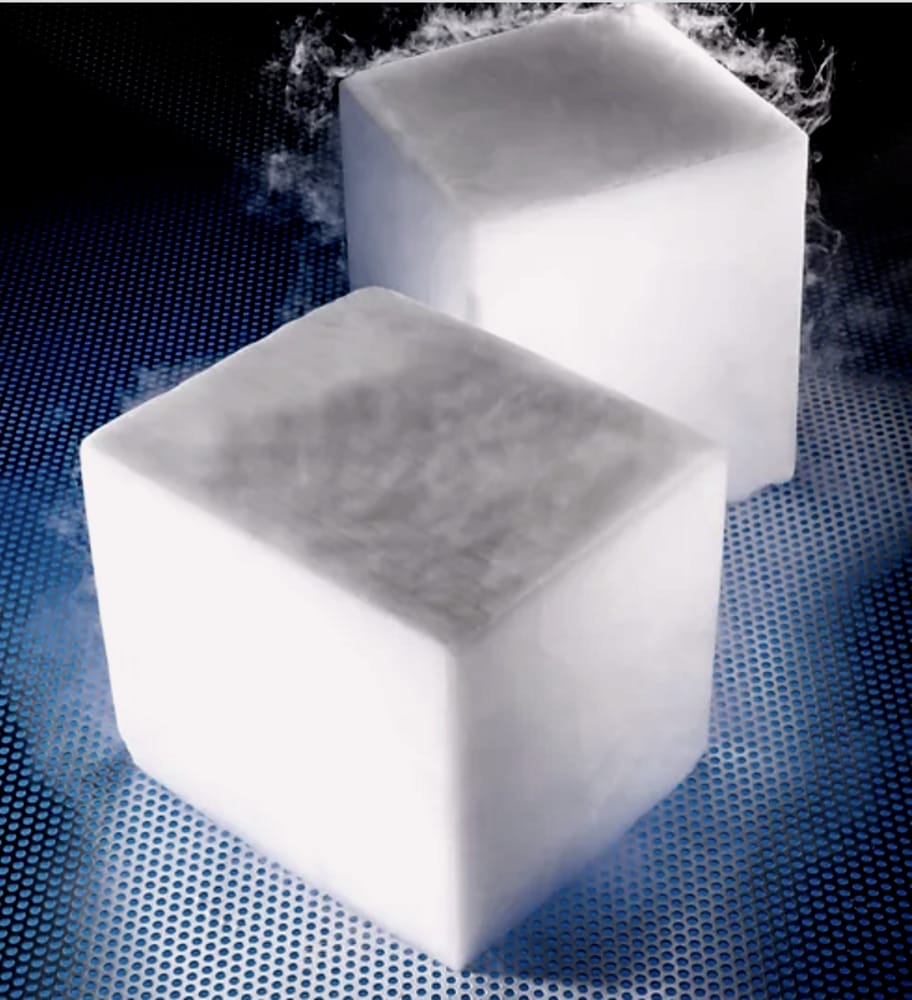
A: Dry ice is preferred over regular ice when ultra-low temperatures are needed or when you want to avoid water residue, such as during frozen food shipping, medical sample preservation, or creating fog effects. Its ability to sublimate directly into gas keeps materials dry and intact.
Q: Where can dry ice be beneficially applied?
A: Dry ice is widely used in food preservation, industrial cooling and cleaning, refrigeration during transport, special effects for events, and scientific experiments requiring rapid chilling. Both industrial and food-grade dry ice are available for these applications.
Q: What should I do if dry ice starts to sublimate quickly?
A: If dry ice is sublimating faster than usual, ensure it is adequately insulated and minimize opening the container. Store in a cool, ventilated area, and use the product within 24-48 hours to maximize effective shelf life per shipment.
Q: What are the main benefits of using dry ice for shipping and preservation?
A: Dry ice offers powerful cooling with no water residue, inhibiting microbial growth and keeping products dry. Its odorless and tasteless nature preserves product integrity, while its stable and non-toxic profile (when used correctly) ensures safety and reliability during transport.
Q: How does the reactivity and safety profile of dry ice affect its usage?
A: Dry ice is chemically stable under recommended storage conditions, but should not come in contact with strong acids or bases. While non-toxic, it can pose an asphyxiation hazard in confined spaces due to CO2 gas buildup-always ensure proper ventilation.






 Send Inquiry


 Send Inquiry

 Send Inquiry