Food Grade Dry Ice About
Superior Cooling PerformanceWith a sublimation point at -78.5C, Food Grade Dry Ice absorbs significant heat-570 kJ per kilogram-making it extremely efficient for cooling, freezing, and preserving perishable items. Its exceptional thermal capacity is ideal for both industrial and commercial applications, ranging from transportation of temperature-sensitive goods to on-site chilling at events.
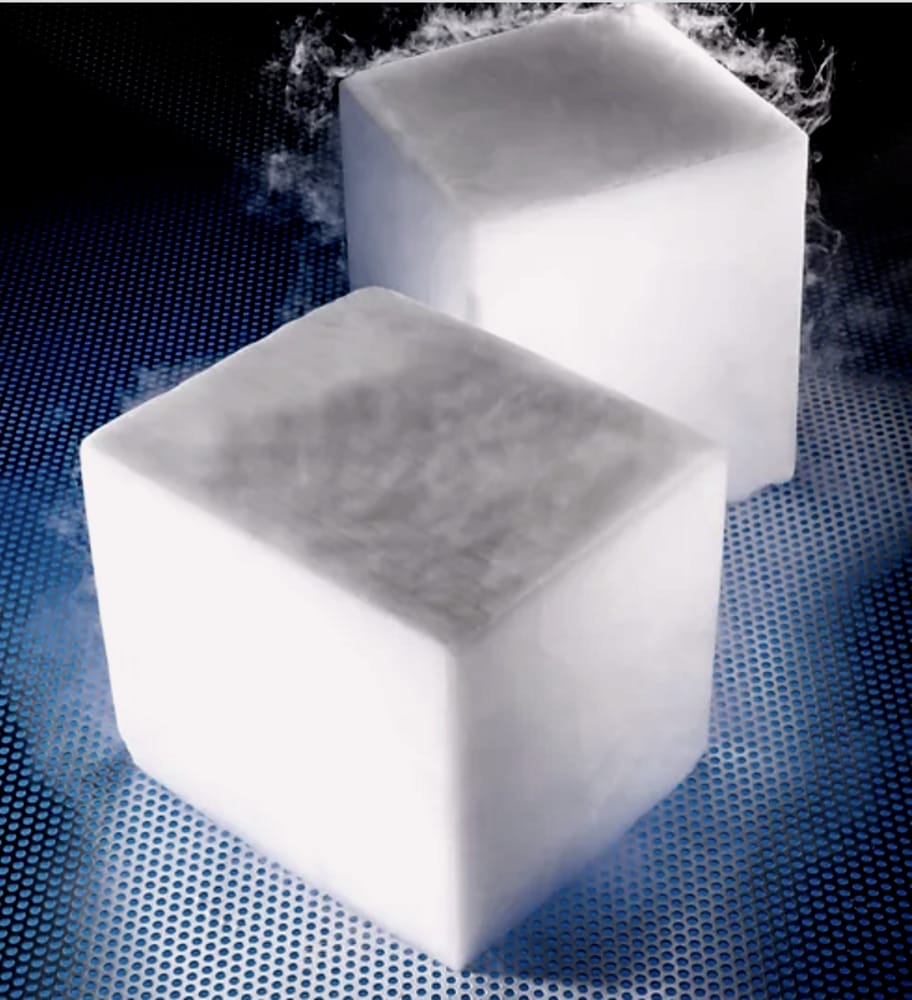
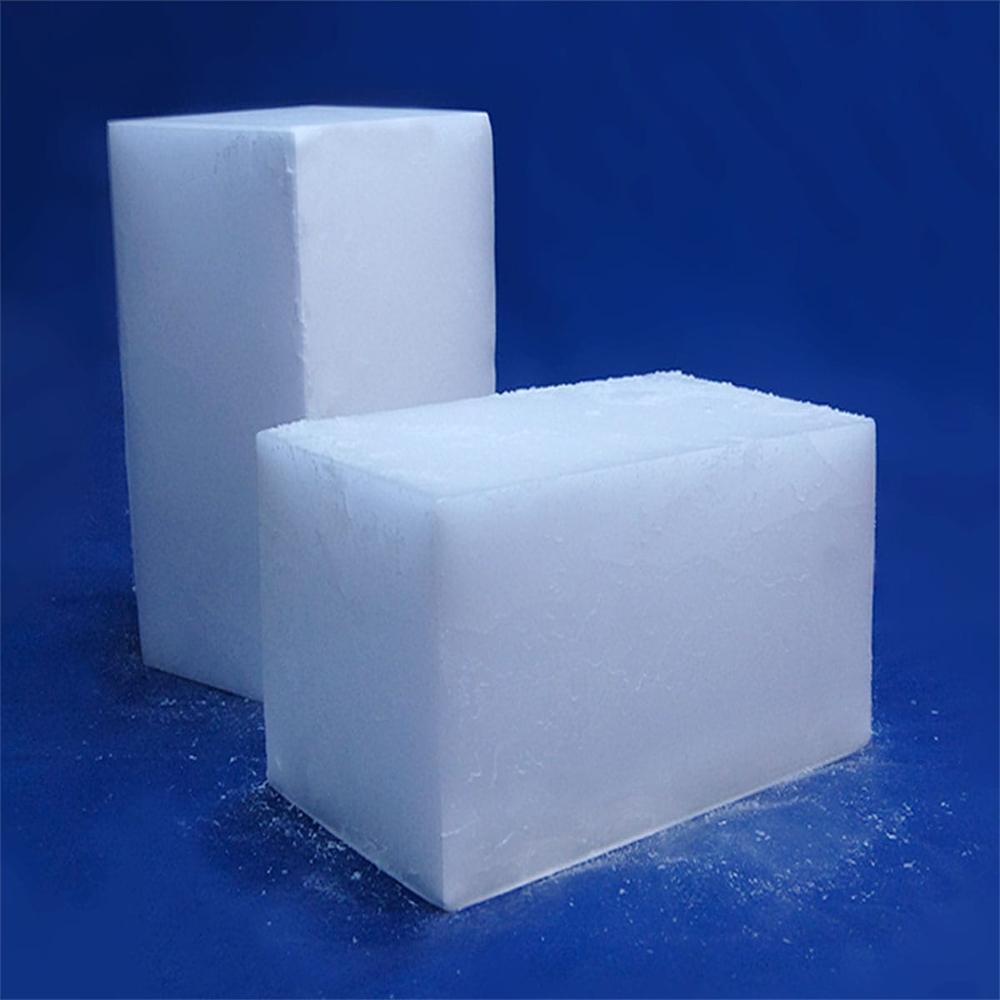
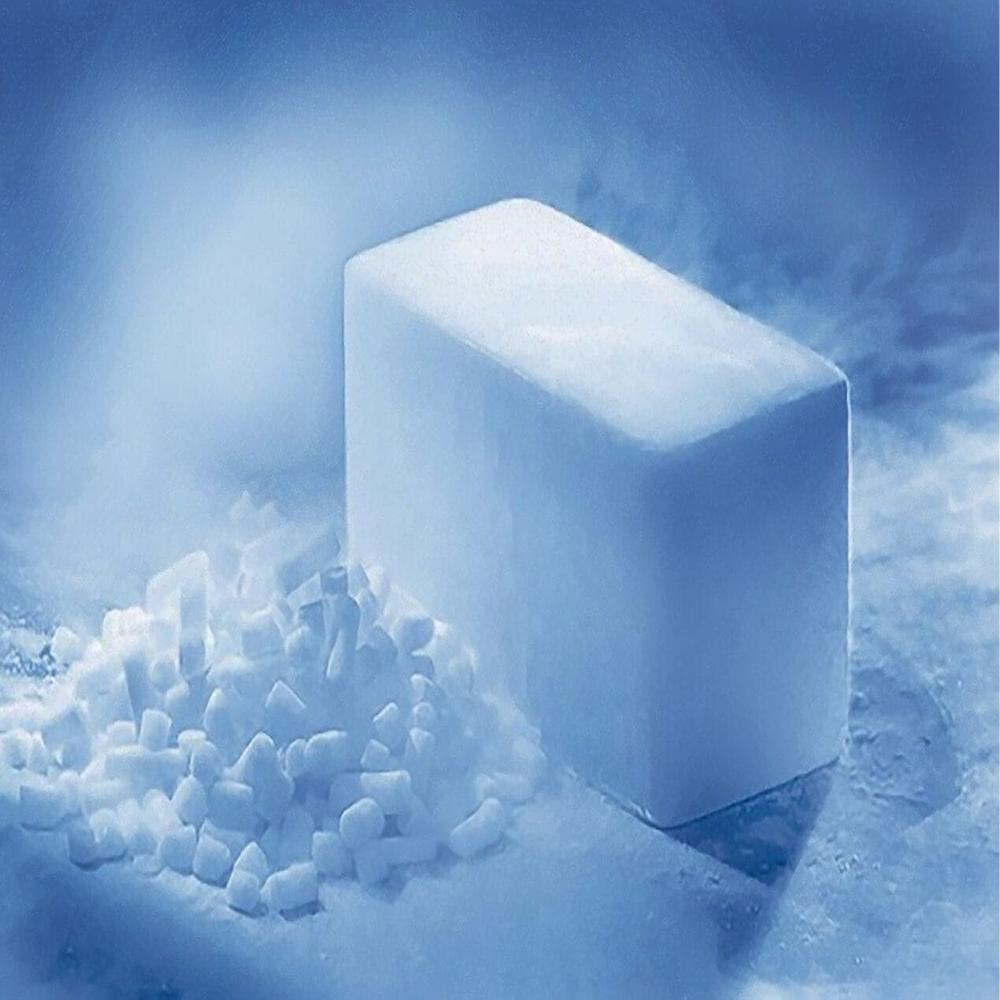
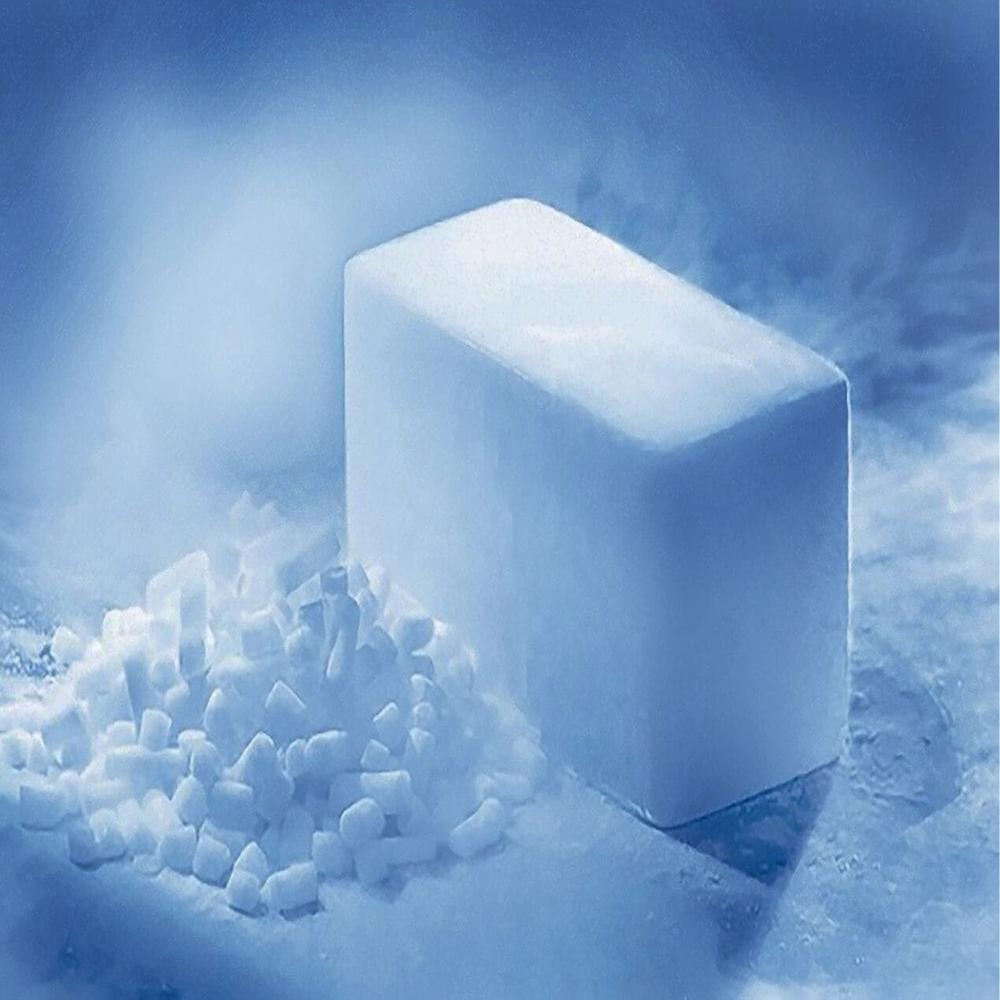
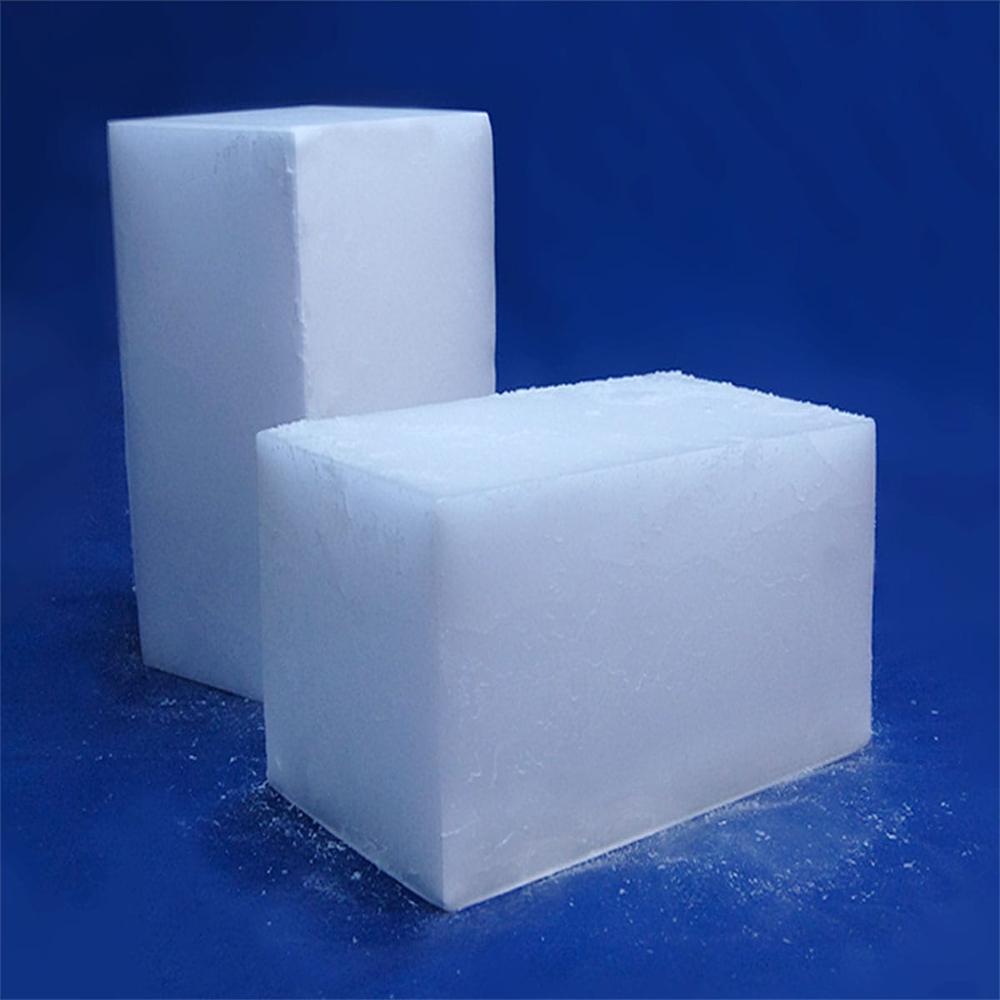
Customizable for Diverse NeedsAvailable in block or cube forms across various sizes (2 kg, 5 kg, 10 kg, and more), Food Grade Dry Ice is easily tailored for your unique requirements. This flexibility allows precise control over cooling processes, ensuring suitability for everything from small-scale productions to large-scale logistics operations.
Safe, Clean, and RegulatedProduced in compliance with rigorous food-grade standards and free from additives, dry ice is non-toxic, odorless, non-flammable, and environmentally benign. When handled correctly with insulated gloves and stored in ventilated containers, it offers residue-free cooling that simply returns to the atmosphere as CO2 gas.
FAQ's of Food Grade Dry Ice:
Q: How is food grade dry ice used for the safe transportation of perishables?
A: Food grade dry ice is placed alongside food or temperature-sensitive products within insulated containers. Its powerful sublimation at -78.5C keeps items cold or frozen during transit. Always ensure adequate ventilation during transport to prevent buildup of carbon dioxide gas.
Q: What are the handling precautions for dry ice and why are they necessary?
A: Always use protective gloves when handling dry ice because it can cause severe frostbite on direct skin contact due to its extremely low temperature. Avoid confined, unventilated spaces since dry ice sublimates into CO2 gas, which can displace oxygen.
Q: Where should dry ice be stored to maximize its shelf life?
A: Store dry ice in well-insulated, ventilated containers at cool ambient temperatures. Avoid airtight storage, as sublimating CO2 can cause pressure buildup. Proper storage conditions slow the sublimation rate, extending usability.
Q: What environmental impact does dry ice have after use?
A: Dry ice leaves no solid or liquid residue as it transitions directly from solid to gas. The released CO2 simply returns to the atmosphere, making it a clean option for cooling and special effects, provided that areas are well ventilated.
Q: When should I use dry ice cubes or blocks over traditional ice?
A: Choose dry ice when you require lower temperatures, faster cooling, and no water residue-for example, in food preservation, cold chain logistics, or creating fog effects for events. Unlike water ice, dry ice won't create wetness or dilute products.
Q: What are the benefits of using food grade dry ice in food preservation?
A: Food grade dry ice offers rapid and efficient chilling or freezing, protecting food quality during storage and transport while complying with safety standards. It also prevents spoilage and bacterial growth by maintaining consistently low temperatures and leaves no residue.






 Send Inquiry


 Send Inquiry

 Send Inquiry