Dry Ice About
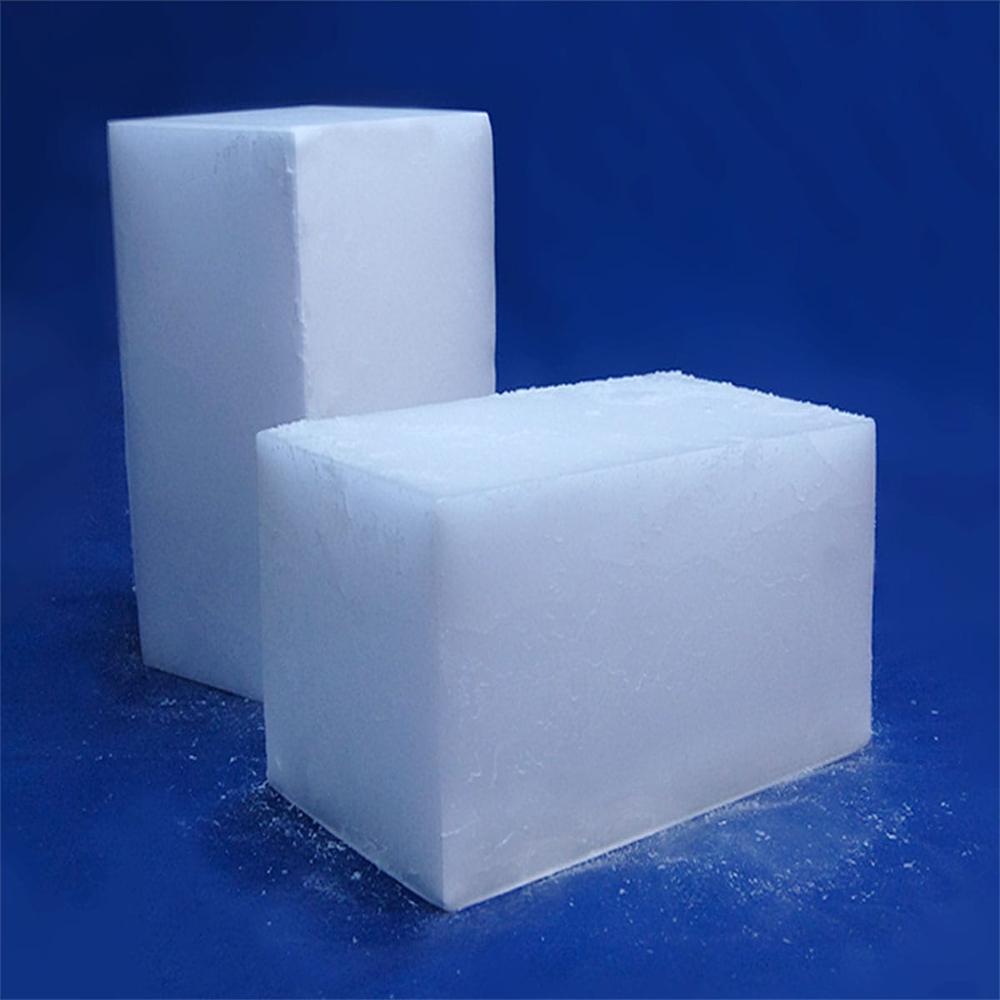
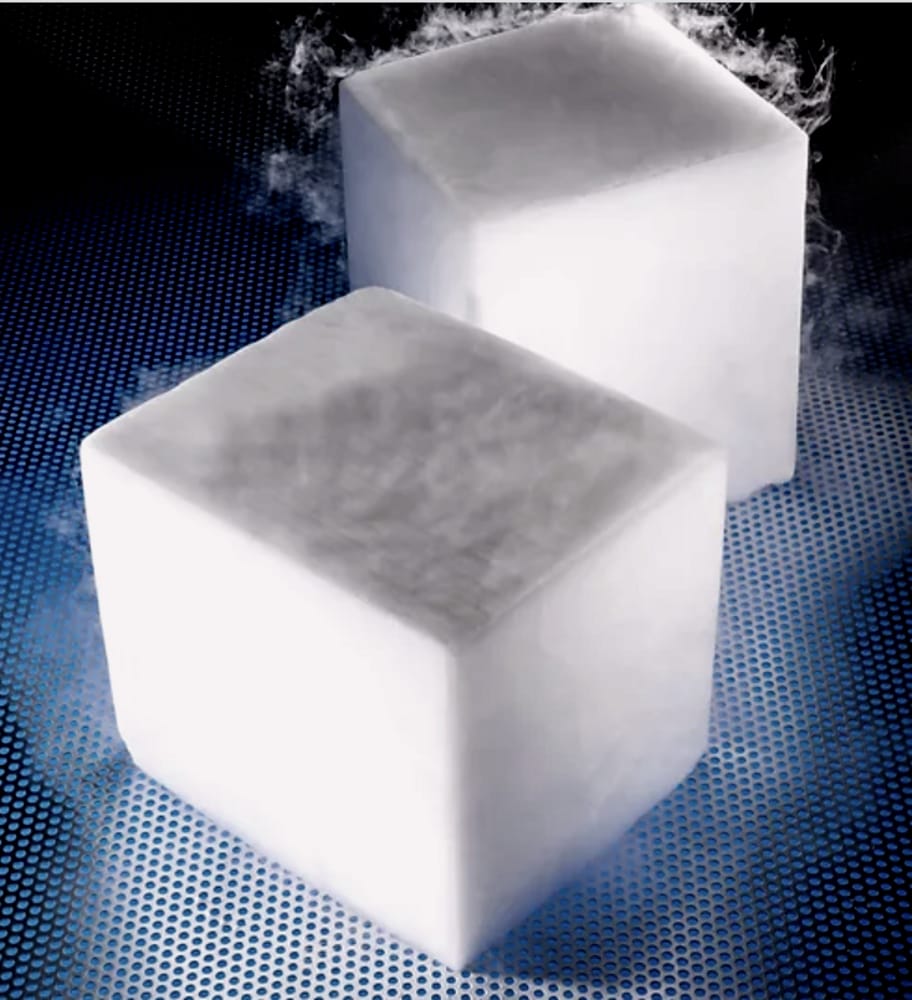
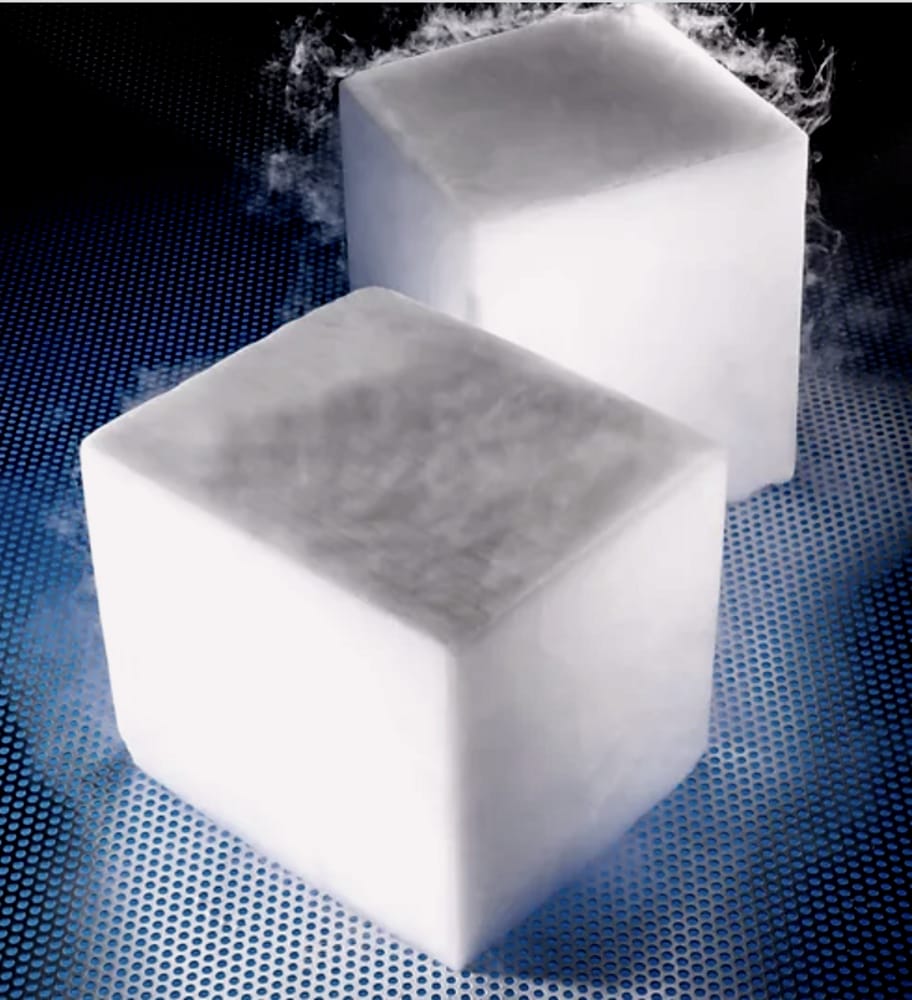
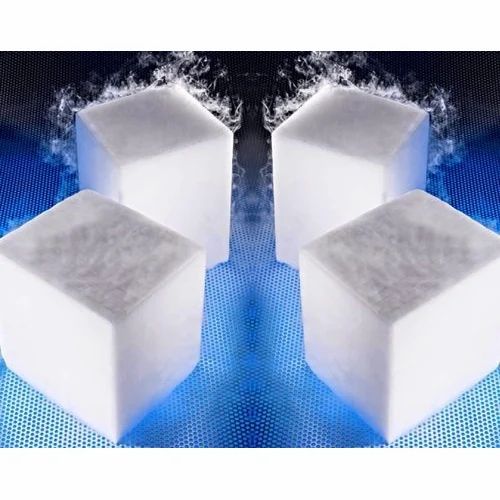
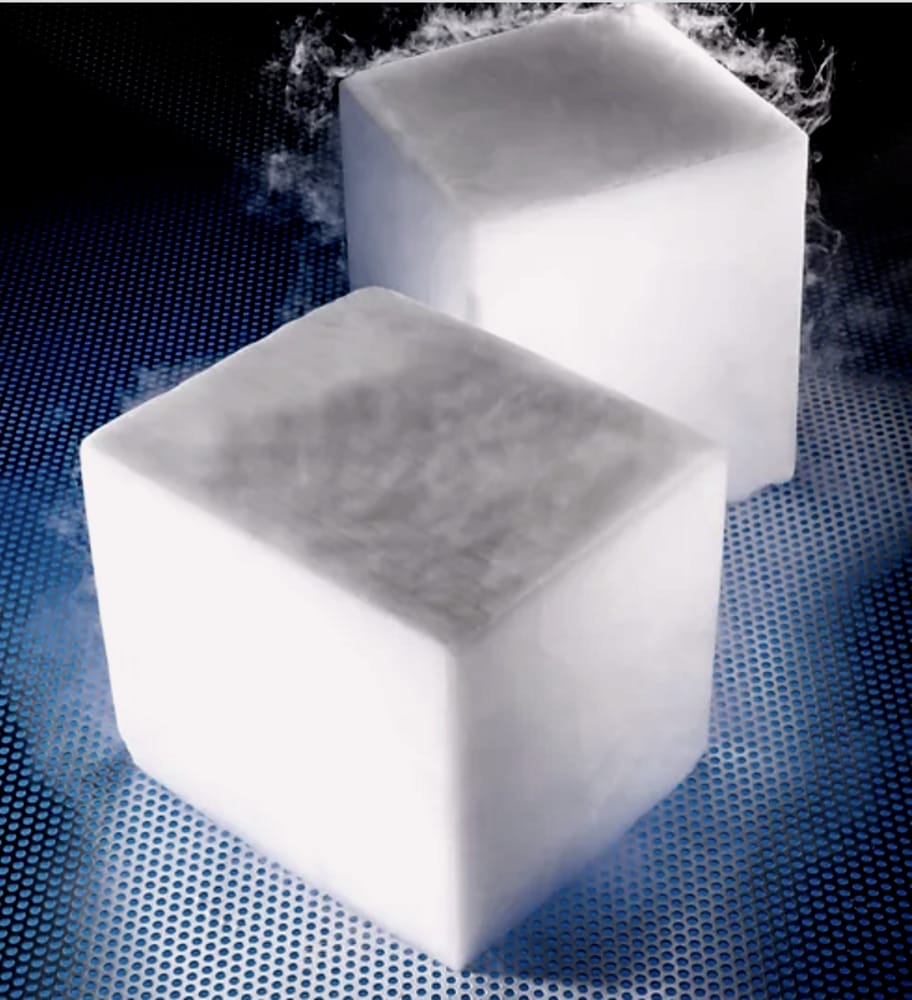
Exceptional Cooling CapabilitiesDry Ice provides extremely low temperatures without leaving any liquid residue, making it ideal for preserving perishable goods, shipping temperature-sensitive items, or creating fog effects. Its ability to sublimate ensures efficient cooling over several days under proper insulated storage.
Safe Handling and StorageStore Dry Ice in insulated, well-ventilated containers. Never keep it in a sealed container, as pressure build-up can occur. Always handle using gloves and eye protection, as direct skin contact can cause severe frostbite. Proper ventilation is necessary to prevent CO2 buildup.
Versatile Applications Across IndustriesThis product is indispensable in food storage, pharmaceutical logistics, industrial cleaning, and entertainment for special effects. Available in industrial and food grades, Dry Ice adapts to various needs, ensuring quality and compliance for both commercial and laboratory use.
FAQ's of Dry Ice:
Q: How should I safely handle Dry Ice?
A: Dry Ice must be handled with insulated gloves and eye protection to prevent severe frostbite. Always ensure adequate ventilation, as CO2 gas can accumulate in enclosed spaces.
Q: What is the process for storing Dry Ice to maximize shelf life?
A: Store Dry Ice in insulated, well-ventilated containers to slow sublimation. Avoid sealed containers, as pressure from gas buildup may cause them to burst. Proper storage prolongs the usable life to several days.
Q: When is Dry Ice typically used?
A: Dry Ice is commonly used when ultra-low temperatures or fog effects are needed, such as for shipping perishables, special events, industrial cleaning, and laboratory experiments.
Q: Where can I use Dry Ice safely?
A: Dry Ice should only be used in open or well-ventilated areas to prevent dangerous CO2 accumulation. It is suitable for industrial facilities, laboratories, refrigerated transport, and event venues with proper precautions.
Q: What are the main benefits of using Dry Ice for refrigeration or transport?
A: Dry Ice provides powerful, residue-free cooling, prolonging product freshness during storage and transit. Its sublimation means no water is left behind, preventing potential damage to goods.
Q: How does Dry Ice differ from regular ice in application?
A: Unlike regular ice, Dry Ice sublimates directly to gas, leaving no liquid, and delivers much colder temperatures. This makes it perfect for applications where moisture or higher temperatures could be problematic.






 Send Inquiry


 Send Inquiry

 Send Inquiry