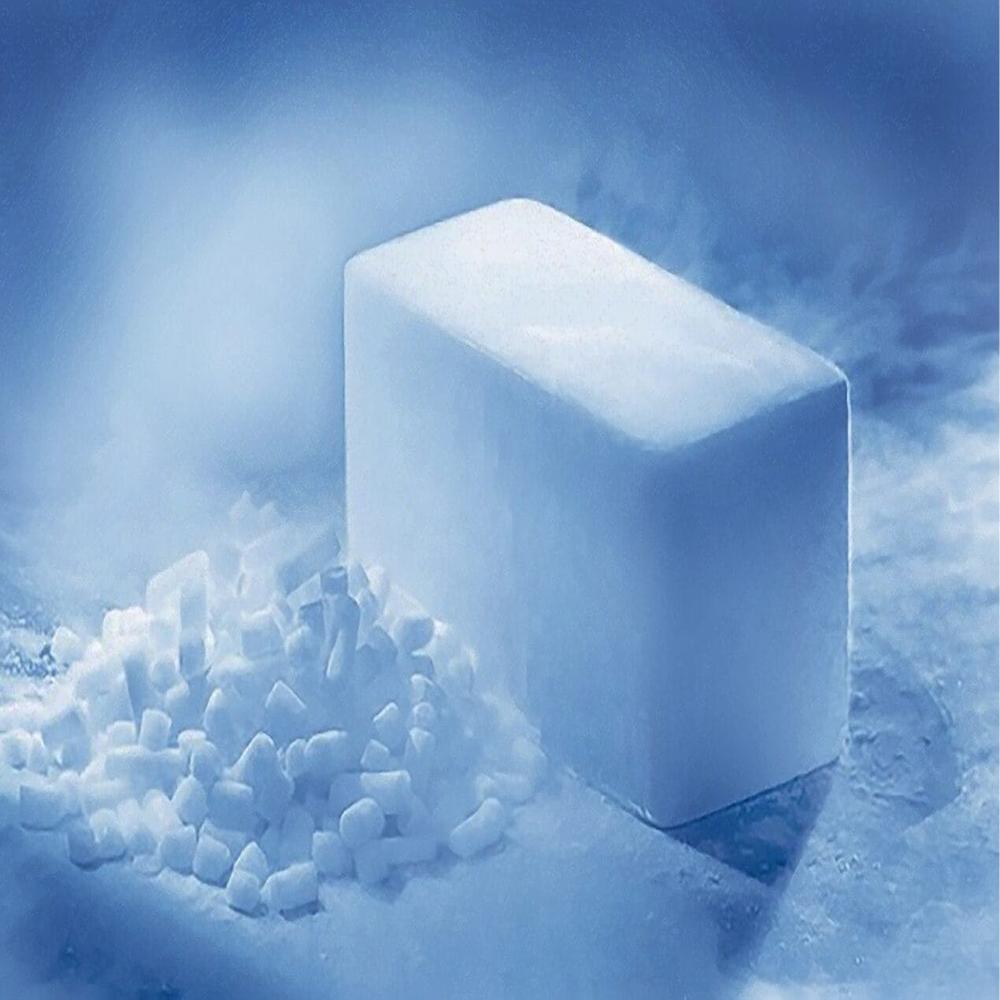
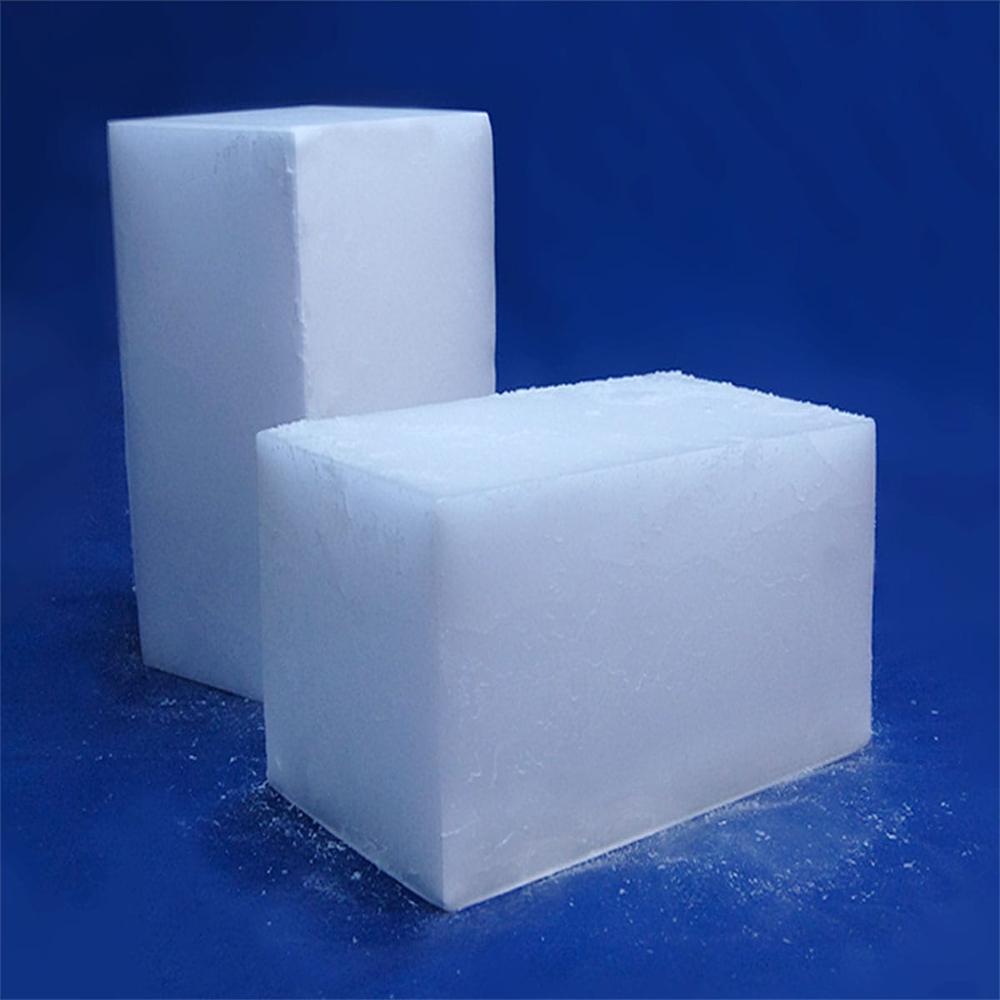
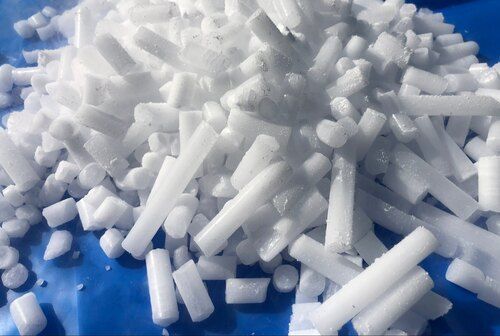
Solid CO2 Blocks About
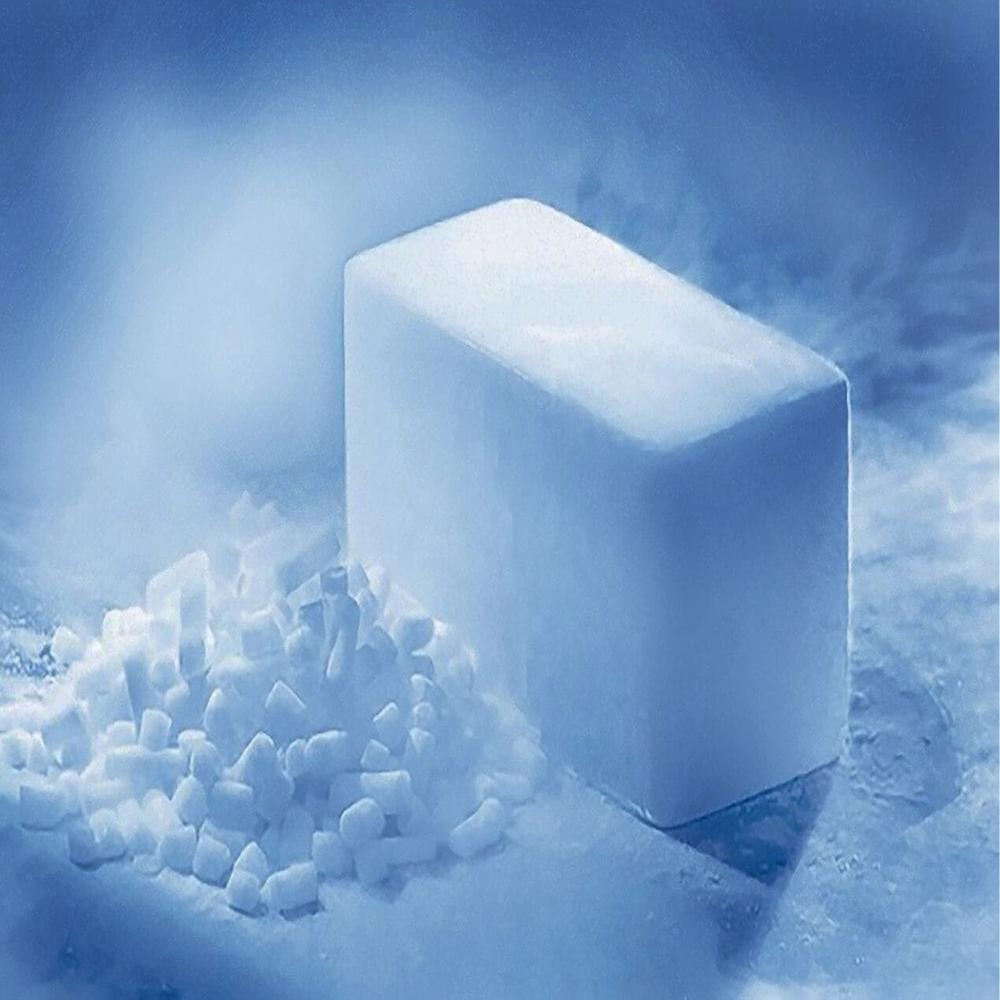
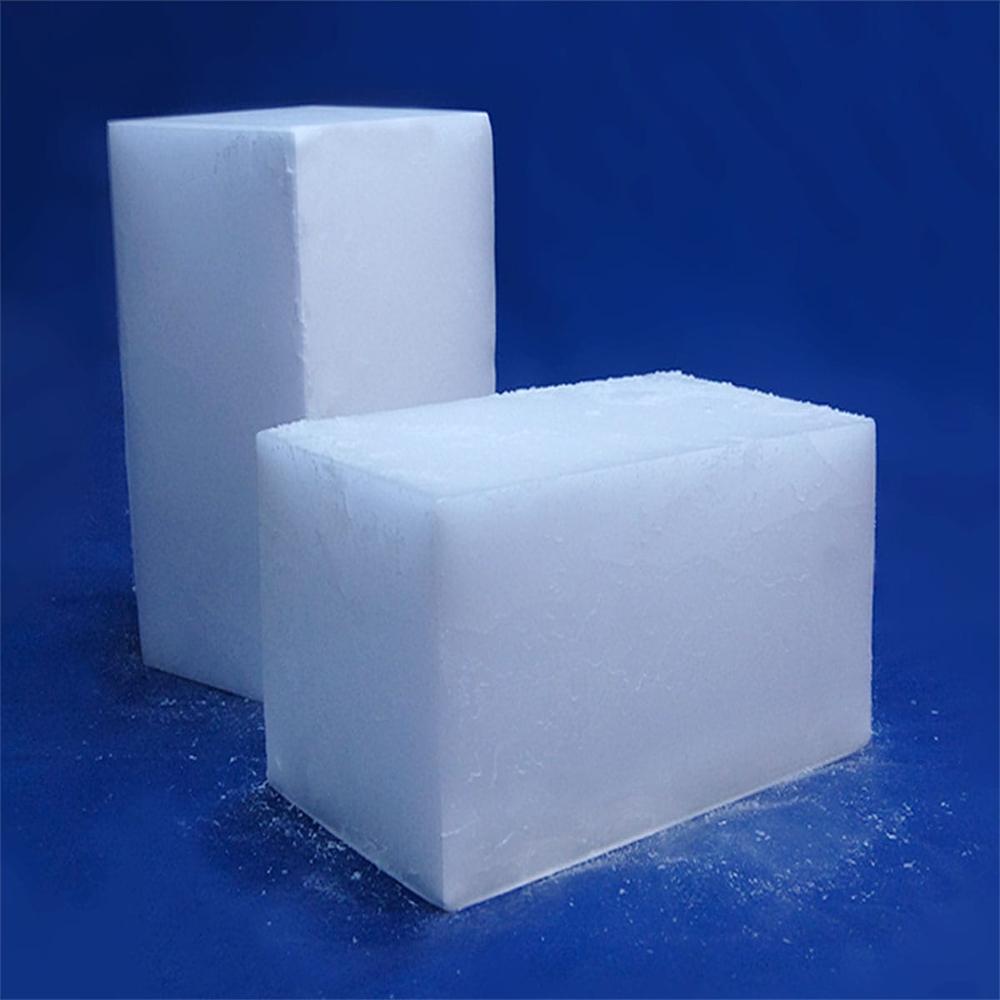
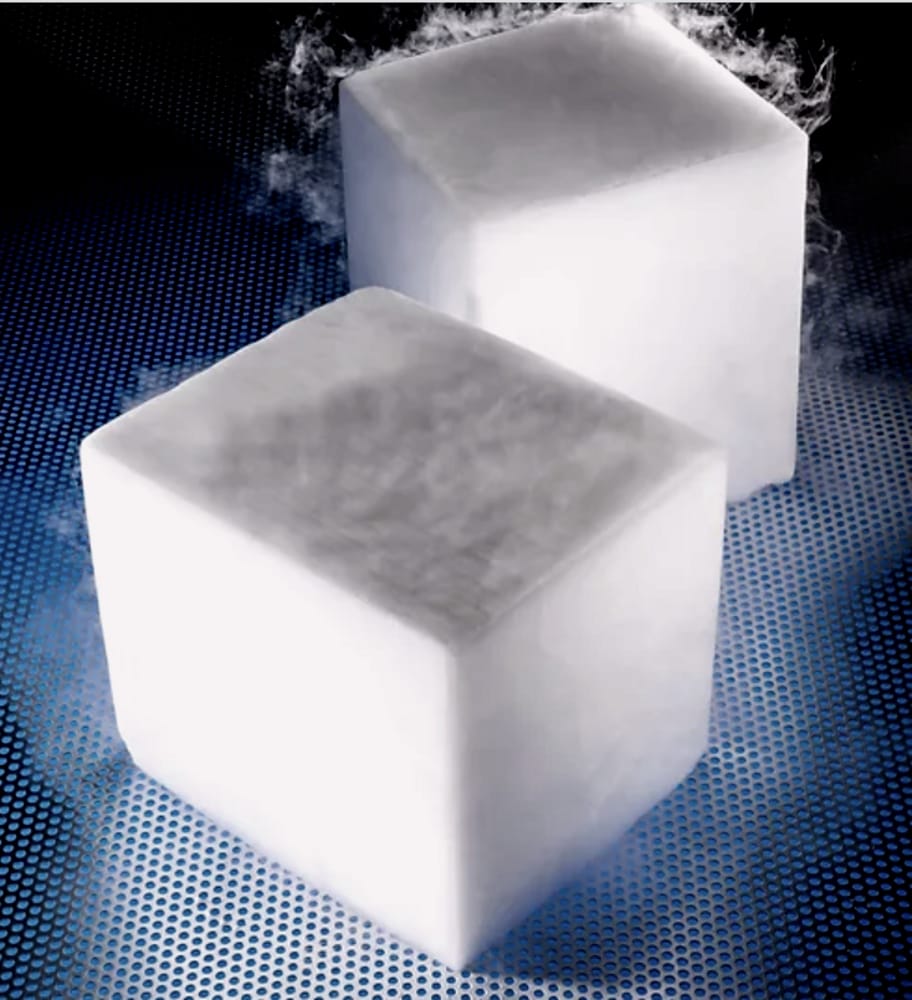
Superior Cooling PowerDry ice blocks provide robust and efficient cooling for a wide range of applications, from industrial cleaning to food transportation. Their high latent heat of sublimation (590 kJ/kg) ensures rapid and sustained cold temperatures, making them indispensable for cold chain logistics and medical transportation.
Safe and Versatile UsageEngineered for both food-grade and industrial requirements, dry ice blocks comply with stringent industry standards. They are delivered in various insulated packaging options. When handled with care-using gloves and in well-ventilated areas-dry ice delivers safe and reliable performance across applications such as preservation, storage, cleaning, and stage effects.
FAQ's of Solid CO2 Blocks:
Q: How should solid CO2 blocks (dry ice) be handled safely?
A: Always use protective gloves when handling dry ice blocks, as direct contact can cause severe frostbite. Ensure you work in a well-ventilated area, since sublimated CO2 gas can accumulate and pose a suffocation hazard.
Q: What are the main benefits of using dry ice blocks for cooling and preservation?
A: Dry ice provides rapid and efficient cooling without wet residue, making it ideal for keeping perishable goods and medical substances cold during storage and transport. Its sublimation leaves no liquid, ensuring products remain dry and uncontaminated.
Q: Where should dry ice blocks be stored for maximal shelf life?
A: Store dry ice blocks in insulated polystyrene containers, cardboard boxes, or specialized coolers, placed in a well-ventilated space. Good insulation helps maintain low temperatures and extends shelf life, usually between 24 and 72 hours.
Q: When is it appropriate to use dry ice instead of regular ice?
A: Use dry ice when you require lower temperatures than those provided by regular ice, or when you want to avoid residual water, such as in medical transport, industrial cleaning, or creating fog effects for stage productions.
Q: What is the process of sublimation in dry ice and why is it important?
A: Dry ice sublimes, meaning it transitions directly from solid to gas at -78.5C without melting to a liquid. This property is crucial for applications needing dry, extremely cold environments and moisture-sensitive processes.
Q: Is dry ice safe to use in contact with food products?
A: Yes, dry ice used for food processing and transportation must meet food-grade quality standards and is FDA approved. However, it should never be ingested and direct food contact should be minimized.
Q: What ecological impact does the use of dry ice have?
A: Dry ice does not contribute to ozone layer depletion, but the released CO2 is a greenhouse gas. However, using dry ice generally involves recycling CO2 from existing processes, reducing net emissions.







 Send Inquiry


 Send Inquiry

 Send Inquiry