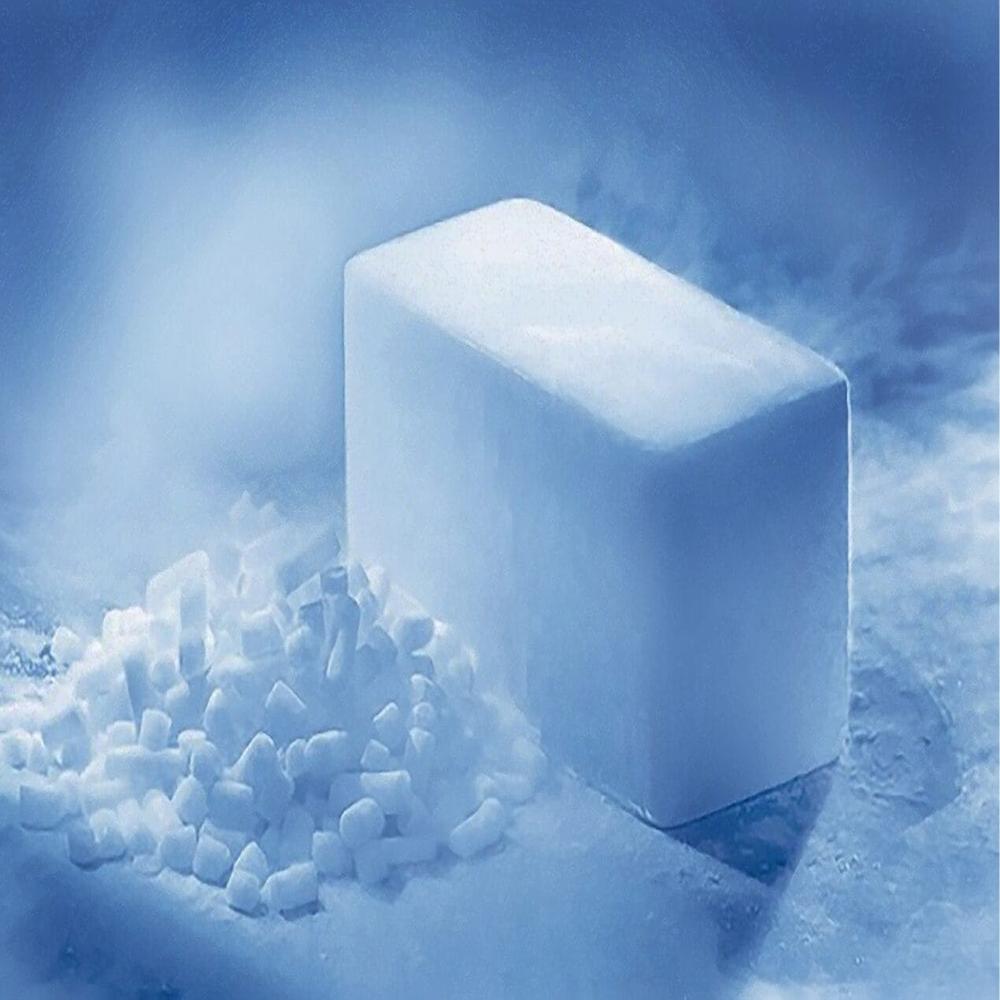
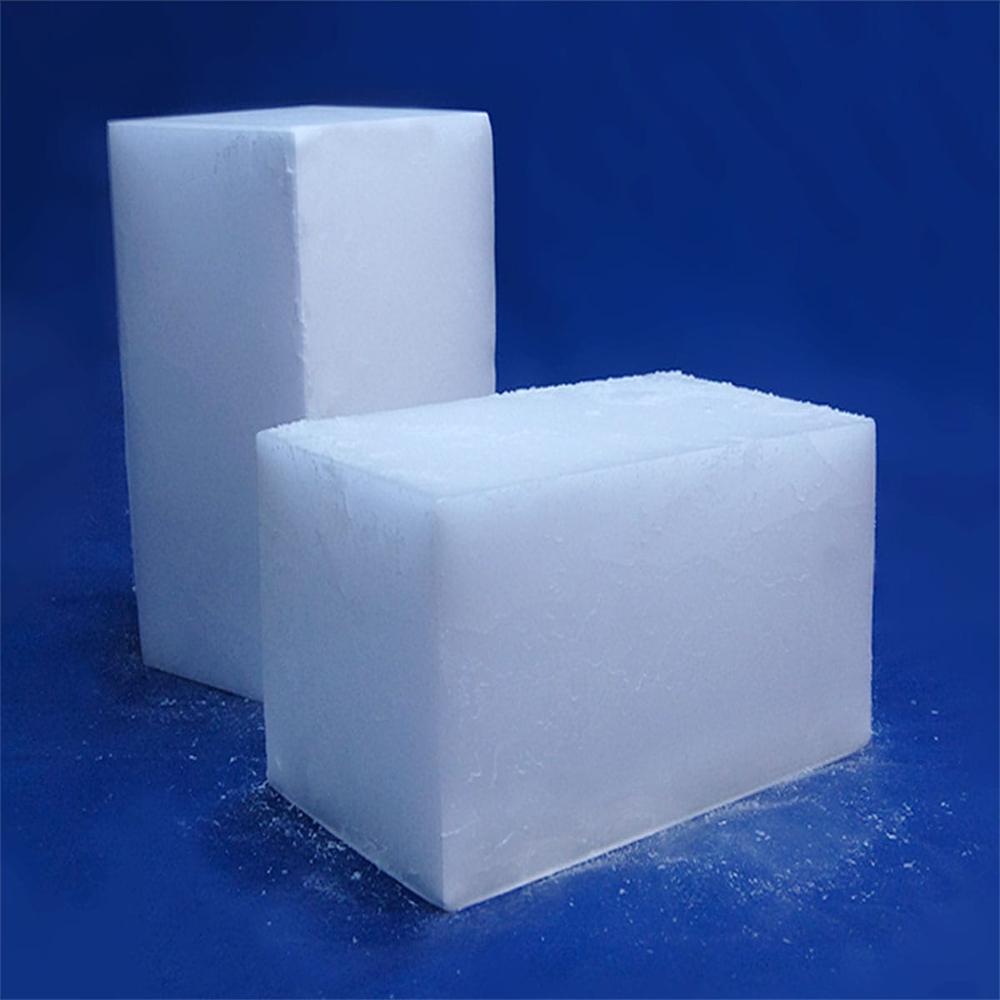
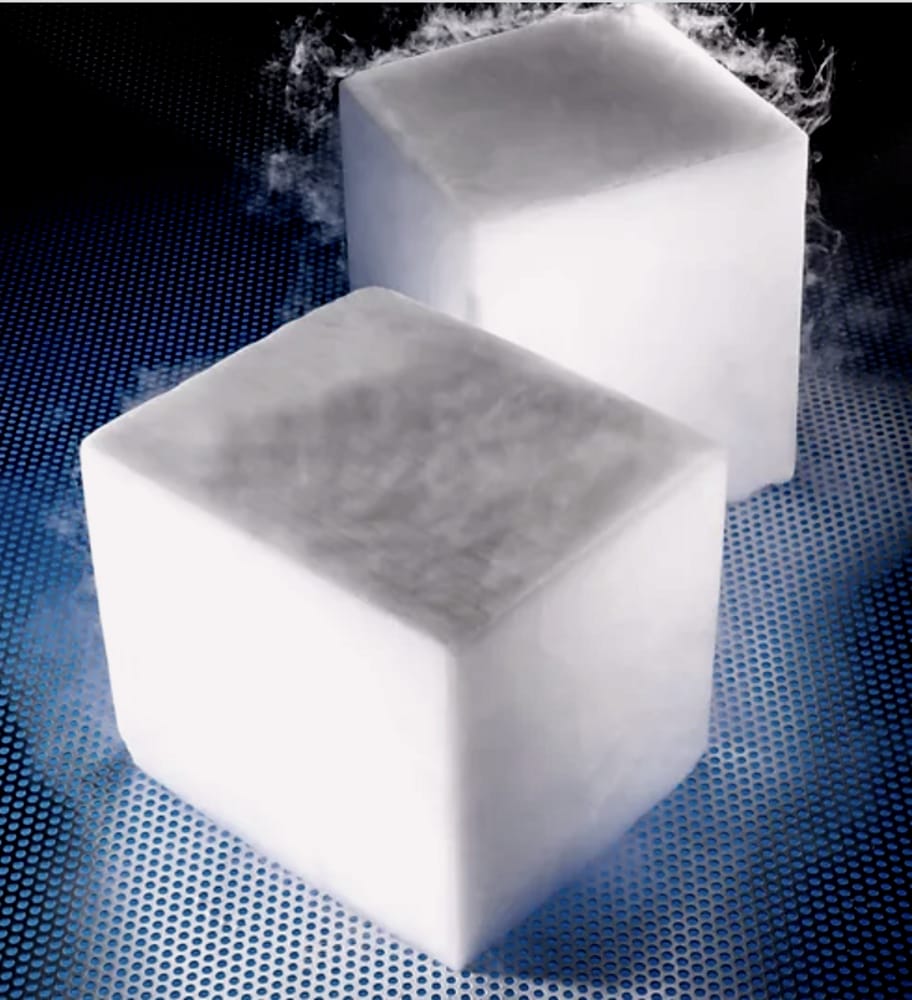
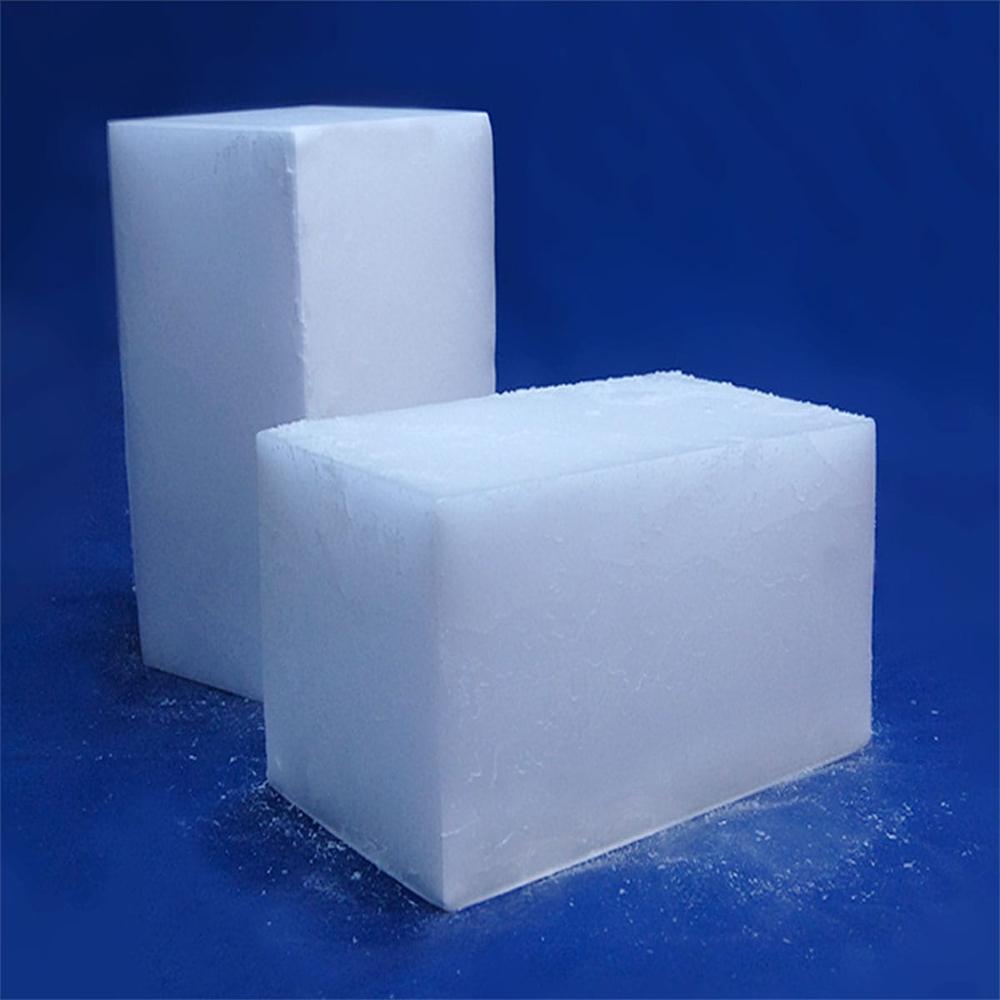
Dry Ice for Chemical Industry

Dry Ice for Chemical Industry

Price 55.0 INR/ Kilograms

MOQ : 1 Kilograms

Dry Ice for Chemical Industry Specification

  • Melting Point
  • -78.5C (Sublimation Point)
  • HS Code
  • 28112100
  • Other Names
  • Dry Ice, Solid Carbon Dioxide
  • Form
  • Solid
  • Smell
  • Odorless
  • Solubility
  • Sublimes directly; insoluble in common liquids
  • Boiling point
  • Sublimes at -78.5C (does not boil at atmospheric pressure)
  • Poisonous
  • No
  • Storage
  • Store in insulated container, well-ventilated area
  • Ph Level
  • Acidic (when dissolved in water)
  • Taste
  • Odorless, Tasteless
  • Density
  • 1.56 Gram per cubic centimeter(g/cm3)
  • Refractive Rate
  • N/A (solid opaque)
  • Molecular Weight
  • 44.01 g/mol
  • Shape
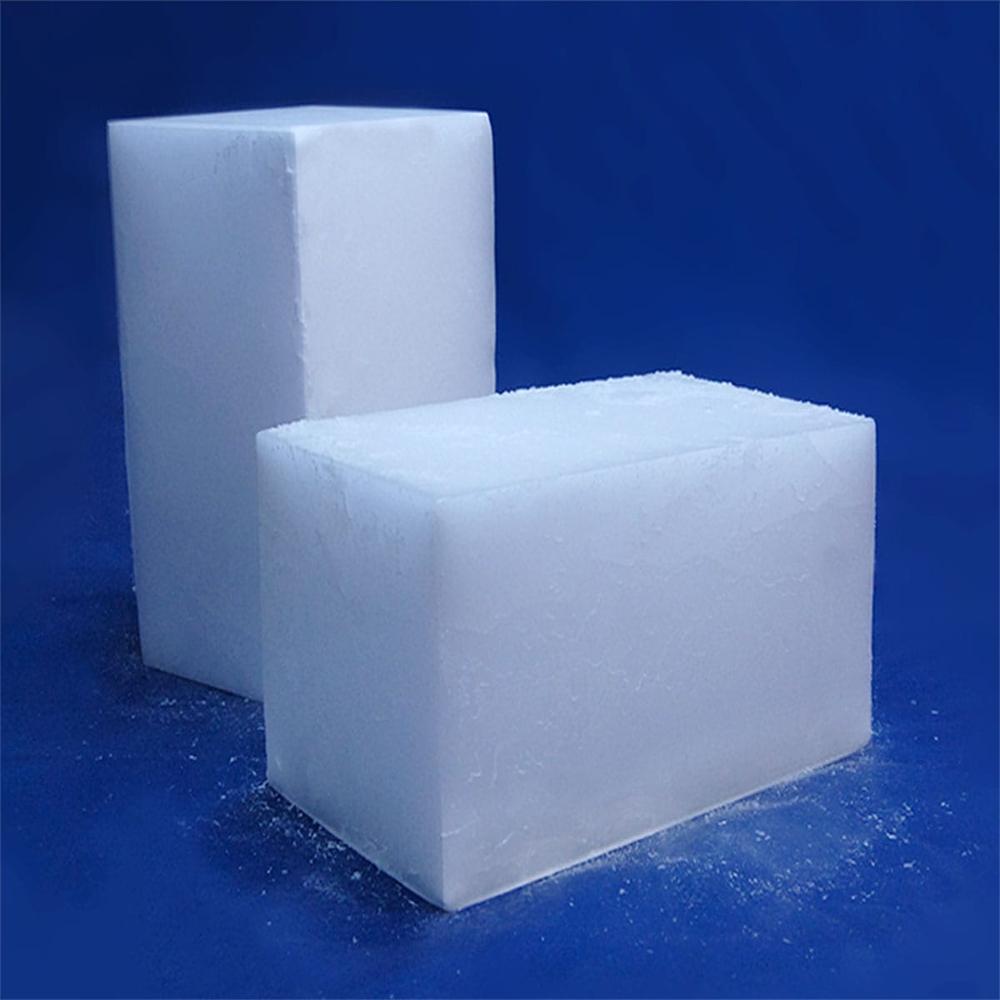
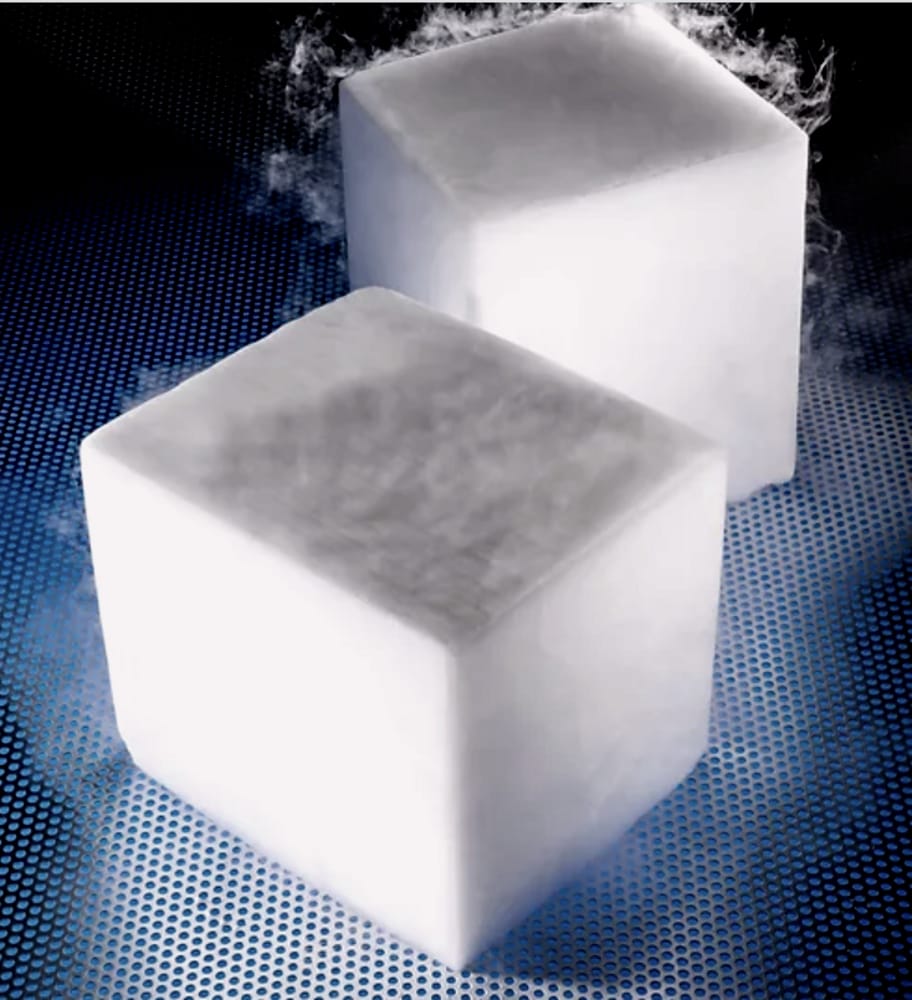
  • Block, Slab
  • Purity
  • >99%
  • Molecular Formula
  • CO2
  • Structural Formula
  • O=C=O
  • Classification
  • Non-flammable, Refrigerant, Cryogen
  • Chemical Name
  • Carbon Dioxide (solid)
  • CAS No
  • 124-38-9
  • EINECS No
  • 204-696-9
  • Grade
  • Industrial, Food Grade
  • Standard
  • Meets ASTM and food grade requirements
  • Type
  • Solid Carbon Dioxide
  • Usage
  • Industrial cooling, transport, laboratory, and cleaning
  • Main Material
  • Carbon Dioxide (CO2)
  • Application
  • Other
  • Non Toxic
  • No
  • Handling Precautions
  • Use insulated gloves and safety goggles to avoid burns
  • Environmental Impact
  • No toxic residue, converts to gaseous CO2
  • Sublimation Rate
  • Varies with conditions, approx. 5-10 lbs per 24 hours in insulated container
  • Color
  • White
  • Shelf Life
  • Subject to sublimation; no fixed shelf life
  • Thermal Conductivity
  • Low
  • Pressure at Sublimation
  • 1 atm
  • Compatibility
  • Compatible with most metals, not recommended for use in sealed glass or plastic containers due to pressure build-up
  • Packaging
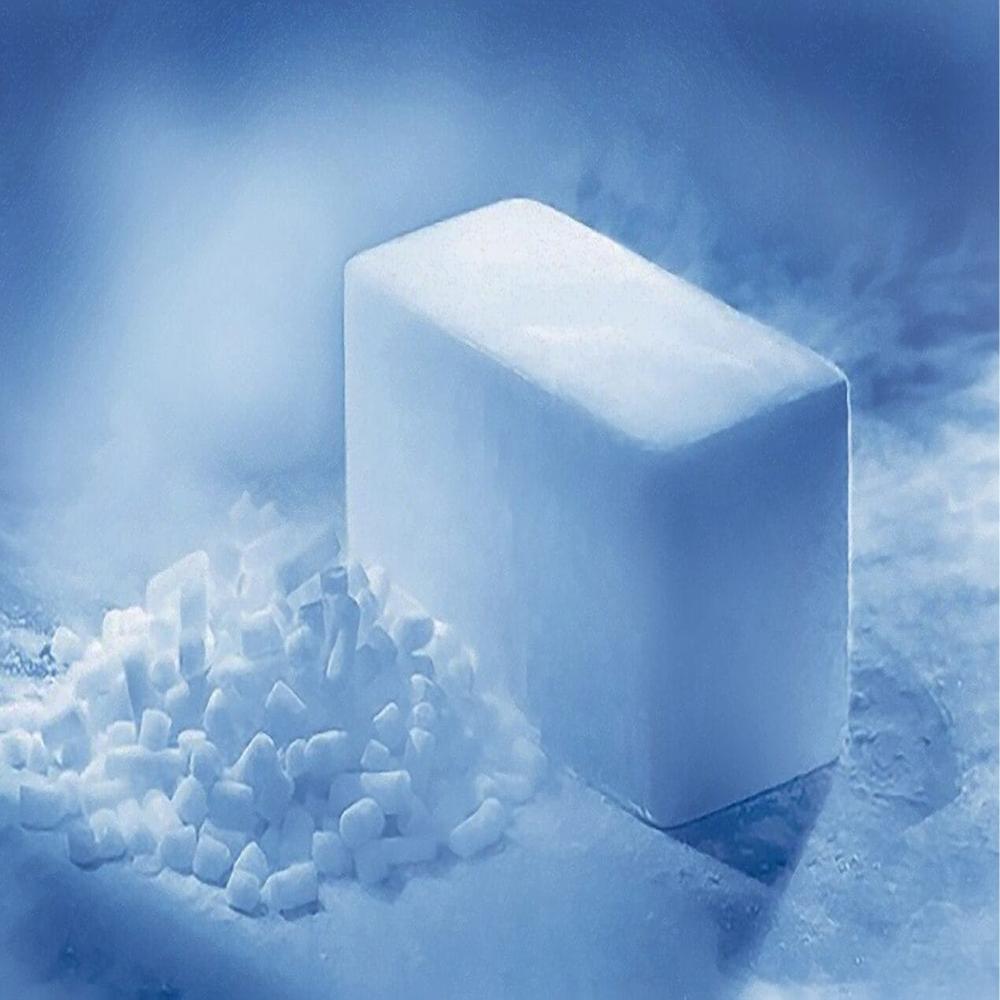
  • Available in blocks, pellets, or slices; packed in insulated boxes
  • Reactivity
  • Stable under recommended storage conditions


Dry Ice for Chemical Industry About


Efficient Cooling and Cryogenic Applications

Dry ice serves as a highly effective refrigerant for various industrial processes, from chemical manufacturing to laboratory cooling and shipping of perishables. Its extremely low sublimation temperature ensures rapid chilling without contaminating products. As it converts directly into gaseous CO2, dry ice eliminates liquid residues, making it indispensable where cleanliness and temperature control are critical.


Safe Handling and Storage Guidelines

Due to its extremely low temperature, handling dry ice requires insulated gloves and safety goggles to prevent cold burns or frostbite. Store dry ice in an insulated, well-ventilated area to safely manage its sublimation (typically 5-10 lbs lost per day in a closed, insulated container). Avoid sealed glass or plastic containers, as pressure from sublimated gas may cause rupture. Adhering to proper procedures ensures both efficiency and user safety.

FAQ's of Dry Ice for Chemical Industry:


Q: How should dry ice be handled to prevent injury?

A: Always use insulated gloves and safety goggles when handling dry ice to avoid cold burns. Direct skin contact can cause frostbite, so proper personal protective equipment is essential.

Q: What are the recommended storage conditions for dry ice in the chemical industry?

A: Store dry ice in a well-ventilated area inside insulated containers. Avoid airtight or sealed glass and plastic containers, as the buildup of gaseous CO2 can cause dangerous pressure.

Q: When is dry ice most beneficial in chemical industry applications?

A: Dry ice is most effective when rapid, residue-free cooling is required, such as for transporting chemicals, blast cleaning, or maintaining controlled laboratory conditions. Its sublimation feature offers precise temperature regulation.

Q: Where can dry ice be used safely and efficiently within industrial settings?

A: It is suitable for use in environments where ventilation is adequate to dissipate sublimated CO2 gas. Ensure that the application area is not airtight to prevent asphyxiation risks.

Q: What is the process of sublimation, and how does it affect the shelf life of dry ice?

A: Sublimation is the transformation from solid dry ice to gaseous CO2 at -78.5C without passing through a liquid phase. This process means dry ice has no fixed shelf life, as it gradually disappears in storage.

Q: What benefits does dry ice provide compared to traditional ice?

A: Dry ice offers lower temperatures, leaves no liquid residue, and provides higher purity and cleanliness, making it superior for chemical, laboratory, and transport uses.


Tell us about your requirement
product

Price:

Quantity
Select Unit

  • 50
  • 100
  • 200
  • 250
  • 500
  • 1000+
Additional detail
Mobile number

Email

More Products in Dry Ice Category

Dry Ice Manufacturer

Dry Ice Manufacturer

Price 50.0 INR / Pack

Minimum Order Quantity : 1 Pack

Purity : 99% or above

Application : Other

Main Material : Carbon Dioxide (CO2)

Chemical Name : Carbon Dioxide

Dry Ice

Dry Ice

Price 54.0 INR / Kilograms

Minimum Order Quantity : 1 Kilograms

Purity : Typically 99% or higher

Application : Other

Main Material : Carbon Dioxide (CO2)

Chemical Name : Carbon Dioxide

DRY ICE Supplier

DRY ICE Supplier

Price 55.0 INR / Kilograms

Minimum Order Quantity : 1 Kilograms

Purity : >99.9%

Application : Other

Main Material : Solid Carbon Dioxide

Chemical Name : Carbon Dioxide

Dry Ice Manufacturer India

Dry Ice Manufacturer India

Price 55.0 INR / Pack

Minimum Order Quantity : 1 Pack

Purity : 99.9% (typical)

Application : Other

Main Material : Carbon Dioxide (CO2)

Chemical Name : Carbon Dioxide


Back to top